Closed-door meetings

The End of the Liberal Order: Insights from the Munich Security Conference

Between February 13 and 15, the 62nd Munich Security Conference (MSC) took place, bringing together heads of state and senior representatives from around the world under the Munich Rule: “Engage and interact with each other: don’t lecture or ignore one another.” The agenda covered a wide range of issues, including European security and defense, the future of the transatlantic relationship, the revitalization of multilateralism, competing visions of the global order, regional conflicts, and the security implications of technological advancements, among others.

However, competition among major powers and the weakening of traditional governance models brought new dynamics to the conference, particularly regarding relations within the West. In contrast to the attention devoted to China in previous editions, it was the dynamic between the United States and Europe that dominated the debate.

In 2026, the United States adopted a more restrained yet still emphatic stance: Washington signaled its willingness to pursue partnerships, but on redefined terms, rejecting the role of guardian of the Western order. The U.S. representative, Marco Rubio, argued that the United States does not oppose NATO or the international order as such, but is unwilling to sustain these structures or assume responsibilities that do not directly benefit the American people.

In light of this repositioning, the debate on European strategic autonomy moved beyond abstraction and assumed concrete contours. Indeed, the President of the European Commission, Ursula von der Leyen, called for the operationalization of the mutual defense clause of the Treaty on European Union, emphasizing that collective defense is an obligation enshrined in the Treaty itself, not an option.

In this context, CEBRI seeks to foster a qualified debate on the main developments of the 62nd Munich Security Conference, with an emphasis on the event’s highlights, its implications for Europe, its impacts on the international system, and the challenges posed by the contemporary geopolitical landscape.
Time:

10:00 to 11:00 am (BRT)

Language:

Portuguese

Share

Between February 13 and 15, the 62nd Munich Security Conference (MSC) took place, bringing together heads of state and senior representatives from around the world under the Munich Rule: “Engage and interact with each other: don’t lecture or ignore one another.” The agenda covered a wide range of issues, including European security and defense, the future of the transatlantic relationship, the revitalization of multilateralism, competing visions of the global order, regional conflicts, and the security implications of technological advancements, among others.

However, competition among major powers and the weakening of traditional governance models brought new dynamics to the conference, particularly regarding relations within the West. In contrast to the attention devoted to China in previous editions, it was the dynamic between the United States and Europe that dominated the debate.

In 2026, the United States adopted a more restrained yet still emphatic stance: Washington signaled its willingness to pursue partnerships, but on redefined terms, rejecting the role of guardian of the Western order. The U.S. representative, Marco Rubio, argued that the United States does not oppose NATO or the international order as such, but is unwilling to sustain these structures or assume responsibilities that do not directly benefit the American people.

In light of this repositioning, the debate on European strategic autonomy moved beyond abstraction and assumed concrete contours. Indeed, the President of the European Commission, Ursula von der Leyen, called for the operationalization of the mutual defense clause of the Treaty on European Union, emphasizing that collective defense is an obligation enshrined in the Treaty itself, not an option.

In this context, CEBRI seeks to foster a qualified debate on the main developments of the 62nd Munich Security Conference, with an emphasis on the event’s highlights, its implications for Europe, its impacts on the international system, and the challenges posed by the contemporary geopolitical landscape.

Participants

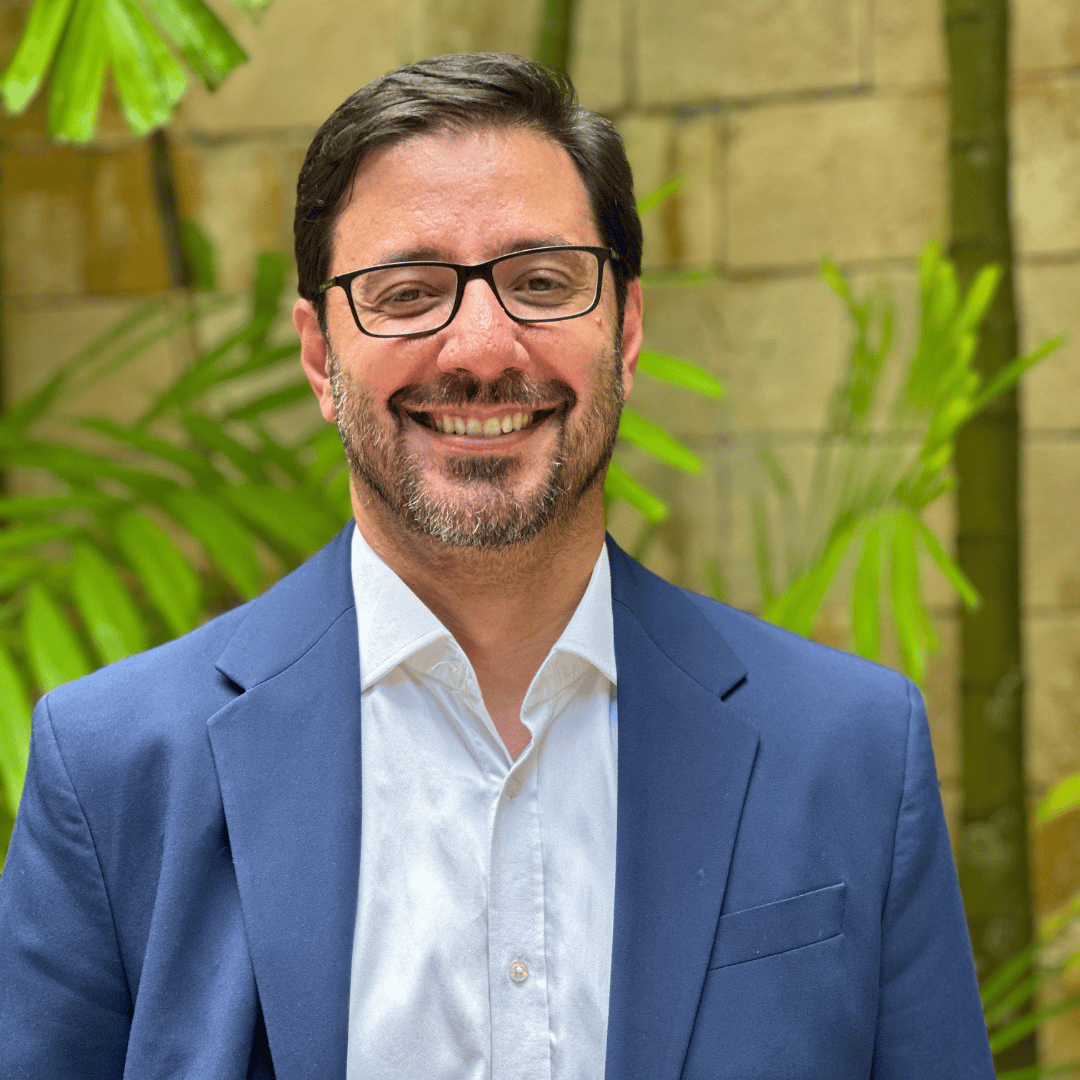
Feliciano de Sá Guimarães
Academic Director

Professor at the Institute of International Relations/USP

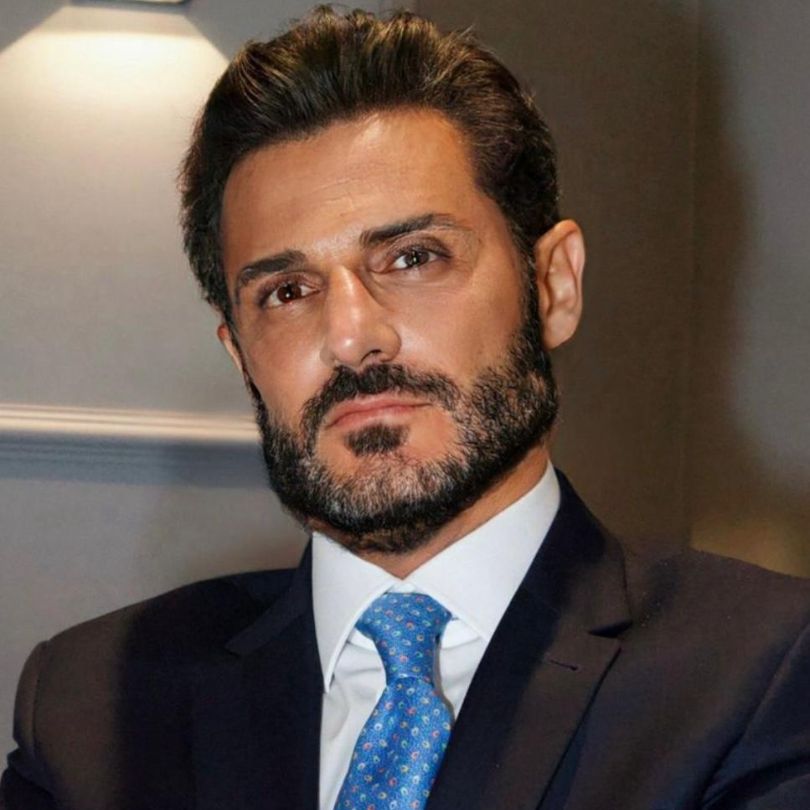
Hussein Kalout
International Advisory board

Special Secretary for Strategic Affairs of the Presidency of the Republic (2016-2018), Ph.D. in International Relations from Lancaster University (United Kingdom) and International Advisory Board Member at CEBRI

BRAZIL'S LEADING
INTERNATIONAL RELATIONS THINK TANK

Join this network!
BECOME A MEMBER